
Picture this. Windows down, a coastal breeze that smells faintly of salt and eucalyptus, and a road that hugs the cliffs like it’s trying to hold on for dear life. No tour guide with a microphone. No fixed schedule. Just you, a decent playlist, and the freedom to pull over whenever a view makes you say “oh, wow” out loud.
That’s the Great Ocean Road self-drive. And honestly, it’s the only way I’d do it.
But here’s the catch. A great trip comes down to two things: where you stop, and what you’re driving. Get those right and you’ll remember it for years. Get them wrong and you’ll remember the 40 minutes you spent stuck behind a caravan, in a car too big for the bends, with a sulking passenger.
So let’s get both right. I’ll walk you through the best itinerary, the car choices worth considering, and a few lessons I’ve picked up the slow way.
Why a Great Ocean Road Self-Drive Beats a Bus Tour
Bus tours are fine. They really are. But they run to a clock, and the Great Ocean Road doesn’t care about clocks.
Here’s what a self-drive gives you:
- Flexibility. Spot a koala in a gum tree? Stop. Hungry? Stop. Feeling lazy and want a second coffee in Apollo Bay? Stop.
- Better timing. You can beat the crowds at the Twelve Apostles by arriving early or late, instead of arriving with 11 other coaches.
- More to see. Many of the best bits, like waterfalls, rainforest walks and quiet beaches, sit just off the main road where big tours skip them.
- Your own pace. Slow when you want. Quick when you don’t.
The road itself is a bit of living history, too. Built by returned soldiers after World War I and finished in 1932, it’s the world’s largest war memorial. That’s worth remembering when you’re driving it. It’s more than just a pretty road.
How Long Is the Great Ocean Road (and How Many Days Do You Need)?
The official route runs about 243 km, from Torquay to Allansford near Warrnambool. On paper, that’s a few hours. In real life, it’s a different story.
The road is winding, the speed limits drop through towns, and you’ll want to stop roughly every 20 minutes. Trust me on this.
| Trip length | What you’ll realistically get | Who it suits |
| 1 day | The Twelve Apostles and a few highlights, with a lot of driving | Short on time, happy with a long day |
| 2 days | Coast, lookouts and a proper overnight stay | Most first-timers |
| 3 days | Rainforest, lighthouse, wildlife and no rushing | Couples and families who want to enjoy it |
| 4+ days | Full coast plus inland detours (Otways, Grampians) | Road trip lovers |
My honest take? Two nights is the sweet spot. One day is doable, but you’ll spend most of it looking at a windscreen.
The Best Great Ocean Road Self-Drive Itinerary (3 Days)
This is the route I’d give a friend. It starts in Melbourne and finishes in Port Campbell or Warrnambool, but you can reverse it if you’re coming from Adelaide.
Day 1: Melbourne to Apollo Bay
Torquay and Bells Beach. This is where it begins. Torquay is the surf capital of Australia, and Bells Beach is famous for good reason. Grab a coffee, watch the surfers, and pretend you could do that too.
Great Ocean Road Memorial Arch (Eastern View). Yes, it’s a touristy photo stop. Do it anyway.
Anglesea and Aireys Inlet. Look out for the Split Point Lighthouse, which is that white tower you’ve probably seen on a postcard. Kangaroos are often hanging around the Anglesea golf course too, which is a fun and slightly absurd sight.
Lorne. This is the lunch stop. It’s a pretty beachside town with cafes, a pier and a lovely pace. If you’ve got energy, walk to Erskine Falls. It’s short, green and worth it.
Kennett River. Here’s where it gets fun. Wild koalas live in the trees here, and also colourful king parrots that may land on your arm if you hold out some seed. I once had a parrot sit on my head for ten minutes. Dignified? No. Memorable? Absolutely.
Apollo Bay. Stay the night. It’s relaxed, has good fish and chips, and is a handy base for tomorrow.
Day 2: Apollo Bay to Port Campbell via the Otways
Cape Otway Lightstation. The detour takes you through thick forest, and it’s easy to forget you’re even near the ocean. The lightstation is the oldest on mainland Australia, and the views are huge.
Otway Fly Treetop Walk or Hopetoun Falls. Pick one if you’re short on time. The treetop walk is for people who like the idea of walking among the canopy. The falls are for people who like the idea of mossy, fern-covered quiet.
Gibson Steps. This is where you first meet the Twelve Apostles up close, from the beach level. It’s a steep staircase, but the view from the bottom is worth the climb back up.
The Twelve Apostles. The big one. A quick fact that surprises people: there are only seven standing now, as the rest have eroded into the sea. Don’t let that put you off. They’re still spectacular, especially at sunrise or sunset.
Loch Ard Gorge. A short drive away, and arguably better than the Apostles. The shipwreck story attached to it is dramatic, and the gorge itself is beautiful.
Port Campbell. Overnight here. It’s small, friendly and perfect for a pub dinner after a big day.
Day 3: Port Campbell to Warrnambool (and Back to Melbourne)
London Bridge and the Grotto. London Bridge is a natural arch that famously lost its connecting span in 1990, leaving two people stranded. Both are quick stops.
Bay of Islands. Quieter than the Apostles, and I think it’s underrated.
Warrnambool. If you’re travelling between June and September, this is where southern right whales come to calve. Sitting on the viewing platform and spotting one is one of those quietly magical moments.
From Warrnambool, the drive back to Melbourne takes around three and a half hours via the inland route, which is much faster than retracing the coast.
Is the Great Ocean Road Hard to Drive?
Short answer: no, but it demands respect.
The road is sealed and well maintained. But it’s narrow in places, twisty for long stretches, and it can be busy, especially on weekends and school holidays. Here’s what I’d keep in mind:
- Drive on the left, obviously. International visitors sometimes forget this after a long day, especially when pulling out of a lookout car park.
- Don’t rush. Locals know the road well, and they’ll overtake when it’s safe. Let them.
- Pull over to let people pass if you’ve got a queue behind you. It’s polite, and it’s kinder to your blood pressure.
- Watch for wildlife at dusk and dawn. Kangaroos, wallabies and koalas do not follow road rules.
- Fuel up in Apollo Bay or Lorne. Petrol stations get sparse between towns, and nobody wants a fuel light on in the middle of the Otways.
- Phone reception is patchy. Download offline maps before you go.
What Is the Best Car for a Great Ocean Road Self-Drive?
This is where a lot of people overthink it, so let me keep it simple. The best car depends on who’s coming and how much stuff they’ve packed.
| Car type | Best for | Pros | Watch out for |
| Compact / small hatch | Solo travellers and couples | Easy to park, great on bends, cheaper on fuel | Limited boot space |
| Sedan | Couples or small families | Comfortable on longer drives, decent luggage room | Lower view of the coast |
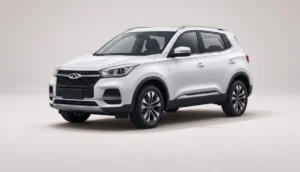
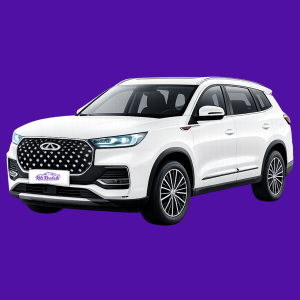
| SUV | Families and groups of 4 to 5 | More space, higher seating, good visibility | Slightly thirstier, bigger on narrow roads |
| Campervan / motorhome | Slow travellers, flexible budgets | Sleep on the road, total freedom | Slower, harder on winding sections, book campsites early |
| Convertible | Couples after the full experience | Unbeatable views, very photogenic | Sun, wind and storage |
My honest recommendations
For two people: a compact car or small SUV. You’ll appreciate the easy handling on the twisty parts, and you won’t be sweating over parking at the Twelve Apostles.
For a family: an SUV. Kids bring luggage. Luggage needs room. It’s that simple.
For a bigger group: consider a people mover, but be aware that the narrow sections feel tighter.
For the romantics: a convertible is tempting, and I won’t pretend I’m not tempted either. Just check the forecast first. The southwest Victorian coast can serve you four seasons in a single afternoon.
Car Hire Tips Before You Pick Up Your Keys
A bit of preparation goes a long way, so here’s what I’d check at the rental desk:
- Insurance and excess. Know what’s covered and what you’ll pay if something happens. It’s worth understanding this before you leave the lot.
- Unlimited kilometres. The Great Ocean Road can rack up distance fast, especially with detours.
- One-way options. If you’re driving from Melbourne to Adelaide (or the reverse), see whether a one-way hire suits your plans.
- Child seats. If you have little ones, book these in advance.
- Sat nav or phone mount. Because balancing a phone on your knee while driving a bendy coastal road is a bad plan.
- Roadside assistance. Handy to know it’s there, even if you never need it.
At Ritz Rentals, we reckon the best trips start with the right car and a clear idea of what you’re covered for, so don’t be shy about asking questions at pick-up. A good rental team will happily walk you through it.
When Is the Best Time for a Great Ocean Road Self-Drive?
Honestly? There’s no bad time, but there are better ones.
- Spring (September to November): Wildflowers, fewer crowds and milder weather. This is a lovely window, and it’s the season we’re in right now.
- Summer (December to February): Warm, busy and beautiful, but accommodation books out fast and the road gets crowded. Book early.
- Autumn (March to May): Calm, golden and often my favourite. Roads are quieter and the light is gorgeous.
- Winter (June to August): Moody, dramatic and perfect for whale watching. Pack a jacket and expect some rain.
If you want the Twelve Apostles with fewer people, go at sunrise. You’ll get the soft light, and you’ll mostly have the place to yourself. Coffee in hand. Very civilised.
Common Mistakes to Avoid
I’ve seen (and made) a few of these:
- Trying to do it all in one day. You’ll see a lot, and enjoy very little.
- Skipping the detours. The forest and waterfall stops are what make the trip feel special.
- Arriving at the Twelve Apostles at midday. Crowds, heat and harsh light. Not ideal.
- Not booking accommodation. Popular towns fill up quickly in peak times.
- Underestimating driving time. Add 30 to 50 per cent to whatever your GPS says.
- Forgetting snacks. A small thing, but a good one.
Frequently Asked Questions
How long does it take to drive the Great Ocean Road? Without stops, you can drive the main stretch in about 4 to 5 hours. With stops, plan for at least a full day, though two or three days is far more enjoyable.
Is it worth driving the Great Ocean Road yourself? Yes. A self-drive lets you set your own pace, visit lesser-known spots and avoid the crowds that come with big tours.
What is the best direction to drive the Great Ocean Road? Many people prefer Melbourne to Port Campbell, as the ocean is on your left side. That gives you the best views and makes it easier to pull into lookouts. If you’re coming from Adelaide, reversing the route works well too.
Do I need a 4WD for the Great Ocean Road? No. The main route is fully sealed, and a standard car is perfectly fine. A 4WD is only useful if you plan on exploring unsealed back roads.
Can I do the Great Ocean Road in one day from Melbourne? You can, but it’s a very long day, usually 10 to 12 hours. If you’re only doing one day, focus on a few highlights rather than trying to squeeze everything in.
Where should I stay along the Great Ocean Road? Apollo Bay and Port Campbell are the most popular overnight stops because of their location, but Lorne and Warrnambool are good options as well.
Is it safe to drive the Great Ocean Road? Yes, if you stay alert, keep to the speed limits and take breaks when you’re tired. Watch for wildlife and cyclists, particularly on the narrower sections.
Final Thoughts: Make Your Great Ocean Road Self-Drive One to Remember
Here’s what it all comes down to. The best Great Ocean Road self-drive isn’t the one that ticks off the most lookouts. It’s the one where you actually enjoy the road, with a car that suits you and a plan that leaves a bit of breathing room.
Take two or three days. Pick a car that matches your group. Go early to the big sights, stop for the small ones, and let at least one afternoon be spontaneous. That’s usually where the best stories come from.
Ready to start planning? Ritz Rentals can help you find the right car for your trip, whether you’re after a nimble compact, a roomy family SUV or something a bit more special. Get in touch, tell us how you’re planning to travel, and we’ll help you get on the road with confidence.
Because that coastline isn’t going to drive itself. (Not yet, anyway.)
Need a car for a day, a weekend or a few weeks? See our short term car rental in Melbourne.